
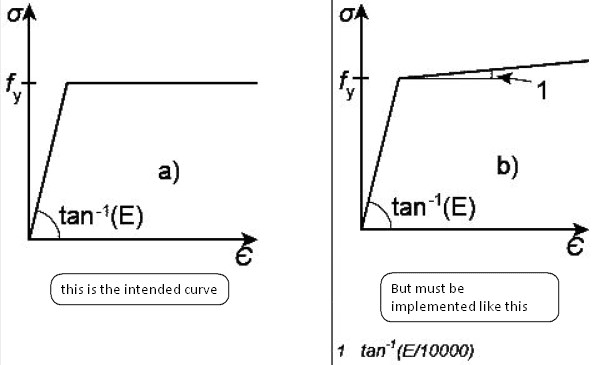


The code-check of a steel plate in applications Connection and Member follow the Eurocode EN 1993-1-5 App. C, Par. C8, Note 1. This is very well applicable and verified for other codes and standards as well (such as AISC 360, etc.). Read the documents about the code-checks of components per national standards.
The main point is that the limit of the steel plate capacity is not the yield stress (e.g., 355 MPa for steel material S355) but the 5% plastic strain. This is summarized in the following picture taken from Figure C.2 of EN 1993-1-5 App. C, which shows the inclined top branch of the construction steel material working diagram.
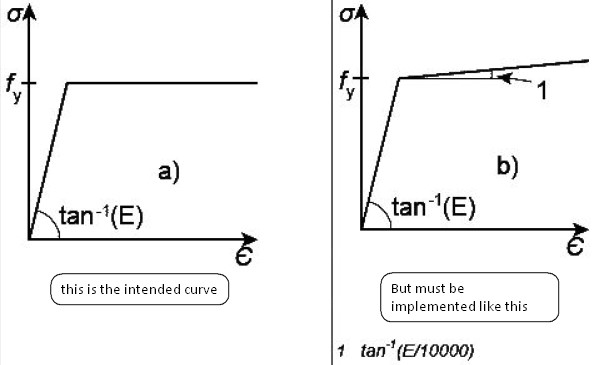
This may lead to stress in plates exceeding the yield stress while still passing the code-check. As an outcome, this gives an extra capacity for the analysis models and thus material savings.
If you need to lower the plastic limit strain of a steel material or restrict your model to elastic behavior only, you can modify this in the Code setup by changing the Limit plastic strain and Warning plastic strain to 0 value.
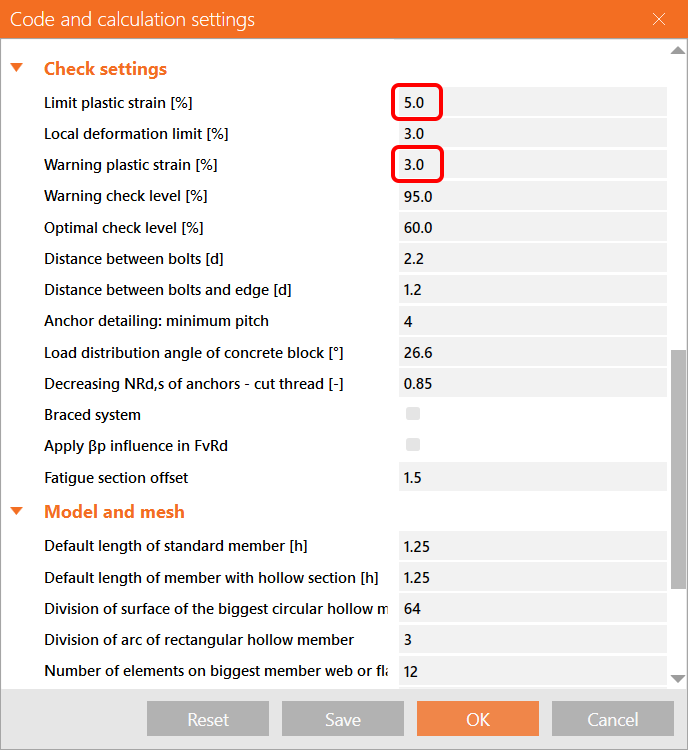
Note: By default, the ultimate criterion of the check is the strain limit of 5%. If your model satisfies this requirement, you don’t need to check the stresses, but they are presented in the results overview for the sake of completeness.